Planning an event requires managing many moving parts, from coordinating vendors to keeping guests engaged. Whether you are organizing a corporate seminar, a brand launch, or a large celebration, successful event planning depends on structured execution and attention to detail.
Following proven event management strategies helps prevent last-minute chaos and ensures a smooth experience for attendees and organizers alike. Here are 12 essential event planning tips to help you organize and execute a flawless event.

1. Define Your Purpose and Target Audience
Before booking a venue or hiring vendors, establish why the event is taking place and who it is intended for.
Setting SMART (Specific, Measurable, Achievable, Relevant, Time-bound) objectives gives your team clear targets. A clearly defined theme helps guide content creation and marketing strategies so that all messaging resonates with your intended audience.
Why it matters: Clear goals keep all decisions aligned with the event’s primary vision.
Practical advice: Determine key performance indicators (KPIs) early, such as attendee count or ticket sales targets, to tailor your outreach.
2. Use Checklists and Timelines
Even experienced organizers can overlook key tasks without a structured system. Implementing detailed event planning checklists and timelines keeps your workflow organized.
Maintain daily or weekly review sessions to evaluate task completion and track milestone progress.
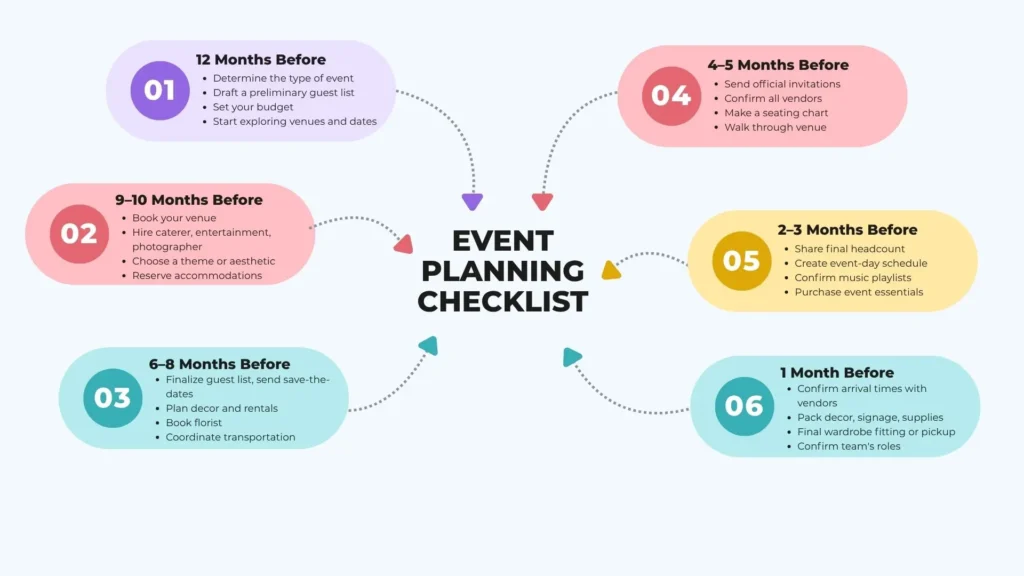
Why it matters: Regular reviews catch delays early before they impact the event schedule.
Practical advice: Divide your timeline into pre-event, main event, and post-event phases, assigning deadlines to each step.
3. Master Your Event Budget
Financial management is critical for any project. Successful event budget planning involves tracking expenses continuously rather than reviewing them only at the end.
Regularly compare your estimated costs against actual expenditures. This ongoing tracking helps prevent unexpected financial surprises and keeps your project profitable.
Why it matters: Monitoring costs in real time allows for immediate adjustments if a particular expense runs high.
Practical advice: Reserve a portion of your budget as a contingency buffer for unexpected price changes or added services.
4. Build Strong Vendor and Speaker Relationships
Events rely heavily on third-party suppliers, catering partners, equipment providers, and speakers. Building strong professional relationships ensures smooth coordination on event day.
Establish transparent communication and complete negotiations upfront. Securing clear contracts early lays the foundation for reliable, long-term vendor partnerships.
Why it matters: Fostering good relationships makes partners more likely to accommodate last-minute adjustments.
Practical advice: Confirm details with vendors and speakers weeks prior to the event to verify timing and technical needs.
5. Prioritize Communication and Team Alignment
Clear communication is essential for effective event management. Team members must understand their specific responsibilities and delegation chains.
Assign specific roles such as guest coordination, technical support, or stage management so every team member knows their exact duties.
Why it matters: Proper team alignment avoids overlapping duties and eliminates confusion during execution.
Practical advice: Hold a comprehensive team briefing before the event to review roles and emergency procedures.
6. Promote Your Event Creatively
Effective event promotion requires early preparation. Launch promotional campaigns at least one month prior to the event date to build audience interest.
Combine social media campaigns, email marketing, and targeted outreach to reach potential attendees.
Why it matters: Early and creative promotion builds momentum, driving higher attendance.
Practical advice: Use engaging teasers, countdown posts, and early-bird offers to encourage early registrations.
7. Enhance the Attendee Experience
Regardless of the event type, prioritizing guest satisfaction is key. Creating a welcoming atmosphere leaves a positive, lasting impression.
Focus on guest comfort from arrival to departure. Streamline check-in processes, maintain clear signage, and provide engaging content.
Why it matters: A well-executed attendee experience leads to positive reviews and higher future attendance.
Practical advice: Provide interactive sessions, comfortable seating, and helpful staff at touchpoints throughout the venue.
8. Leverage Smart Event Management Tools
Modern event technology streamlines logistics and reduces administrative overhead. Utilizing dedicated event management software helps digitalize operations.
Use smart tools for online registration, ticketing, guest management, and automated email reminders.
Why it matters: Automation minimizes manual errors and speeds up the check-in process.
Practical advice: Pick a platform that consolidates ticketing, communication, and data reporting in one dashboard.
9. Plan for the Unexpected
Unforeseen issues can occur across technical setups, stage production, or scheduling. Having contingency plans in place keeps operations running smoothly.
Designate a lead manager specifically responsible for handling unexpected situations. Build buffer time into the schedule to account for delays.
Why it matters: Preparing for contingencies keeps minor hiccups from escalating into major disruptions.
Practical advice: Keep backup equipment such as extra microphones, cables, and power units on site at all times.
10. Sweat the Small Stuff
While main logistics get significant attention, small details can impact the guest experience. Overlooking minor items can lead to unnecessary last-minute stress.
For example, if your event program includes a traditional lamp lighting ceremony, verify in advance that matches or lighters are on hand.
Why it matters: Addressing minor details prevents awkward delays during live proceedings.
Practical advice: Maintain a physical “essential items” kit containing tape, lighters, stationery, adapters, and basic tools.
11. Go Sustainable Where Possible
Incorporating eco-friendly practices reduces environmental impact and lowers overall waste.
Transition to digital alternatives for tickets, brochures, and programs to minimize paper use. Choose reusable materials for branding and staging, and implement measures to lower carbon emissions.
Why it matters: Sustainable event practices reduce operational costs and align with modern corporate social responsibility standards.
Practical advice: Replace printed schedules with QR codes displayed around the venue that lead to digital agendas.
12. Analyze and Iterate After the Event
Event management continues even after guests depart. Collecting post-event feedback is vital for continuous improvement.
Gather feedback from attendees, vendors, speakers, and clients. Review what went well and identify areas needing improvement for future projects.
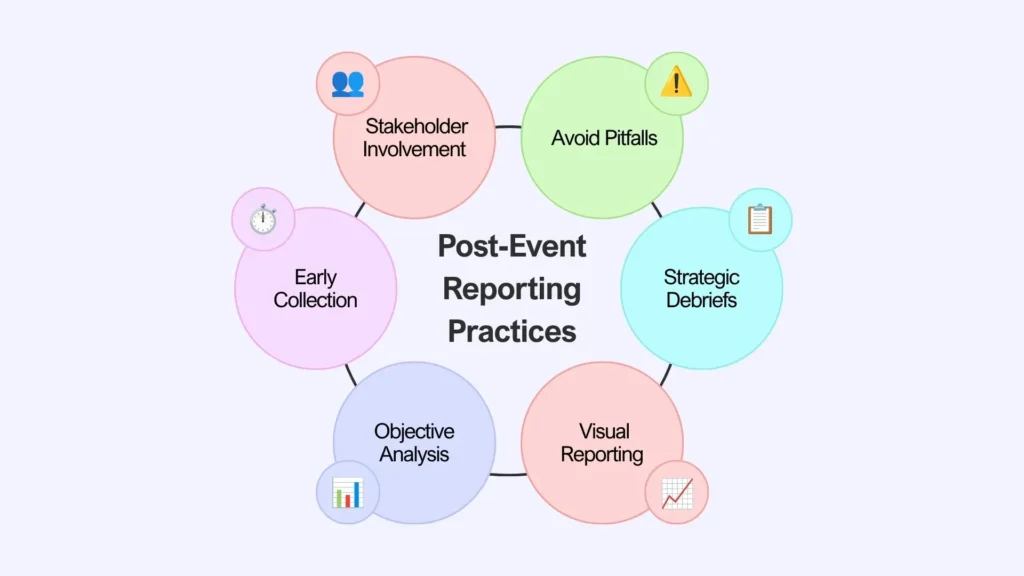
Why it matters: Post-event analysis yields real data to refine processes and elevate future events.
Practical advice: Send short feedback surveys within 48 hours while the experience is fresh in participants’ minds.
Conclusion
Successful event planning requires clear goal setting, ongoing budget management, transparent team communication, and the right technology. By managing small details, preparing contingency plans, adopting sustainable practices, and reviewing performance afterward, you can consistently deliver high-quality events. Applying these 12 practical tips will help ensure your next event runs efficiently from start to finish.
What is the first step in planning a successful event?
The first step is defining your event’s purpose and target audience. Establishing clear SMART objectives guides your budgeting, venue selection, and marketing strategies.
How far in advance should I start promoting an event?
Promotional campaigns should ideally launch at least one month prior to the event date. Early promotion allows sufficient time to build awareness, run targeted campaigns, and secure registrations.
Why is post-event feedback important?
Collecting feedback from guests, vendors, and team members helps identify operational successes and areas for growth. This insight allows you to improve logistics and strategy for future events.