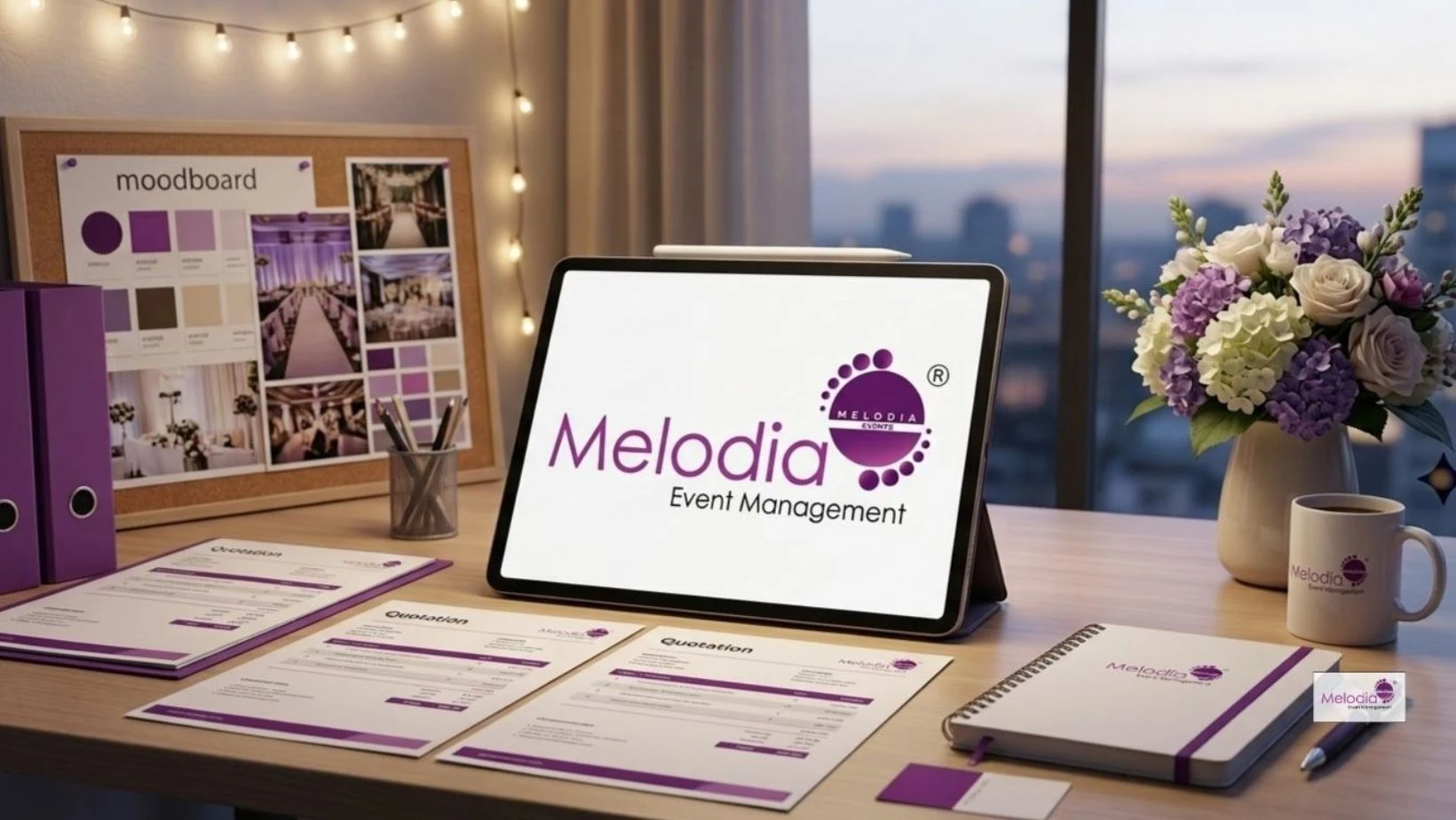
A well-crafted event quotation is more than a simple cost breakdown; it’s your primary sales pitch, brand showcase, and legal safeguard. In the fast-paced event management industry, prospects form an impression of your operational standards from the presentation and clarity of your commercial proposal.
A vague, disorganized price sheet can lead to misunderstandings, lost pitches, and endless project disputes. Conversely, presenting a structured, professional event quotation instills immediate client confidence, differentiates your agency, and sets clear expectations. This complete guide breaks down the seven essential building blocks every event management quotation requires, backed by field-tested strategies and a step-by-step workflow.
The 7 Key Elements of a Professional Event Quotation
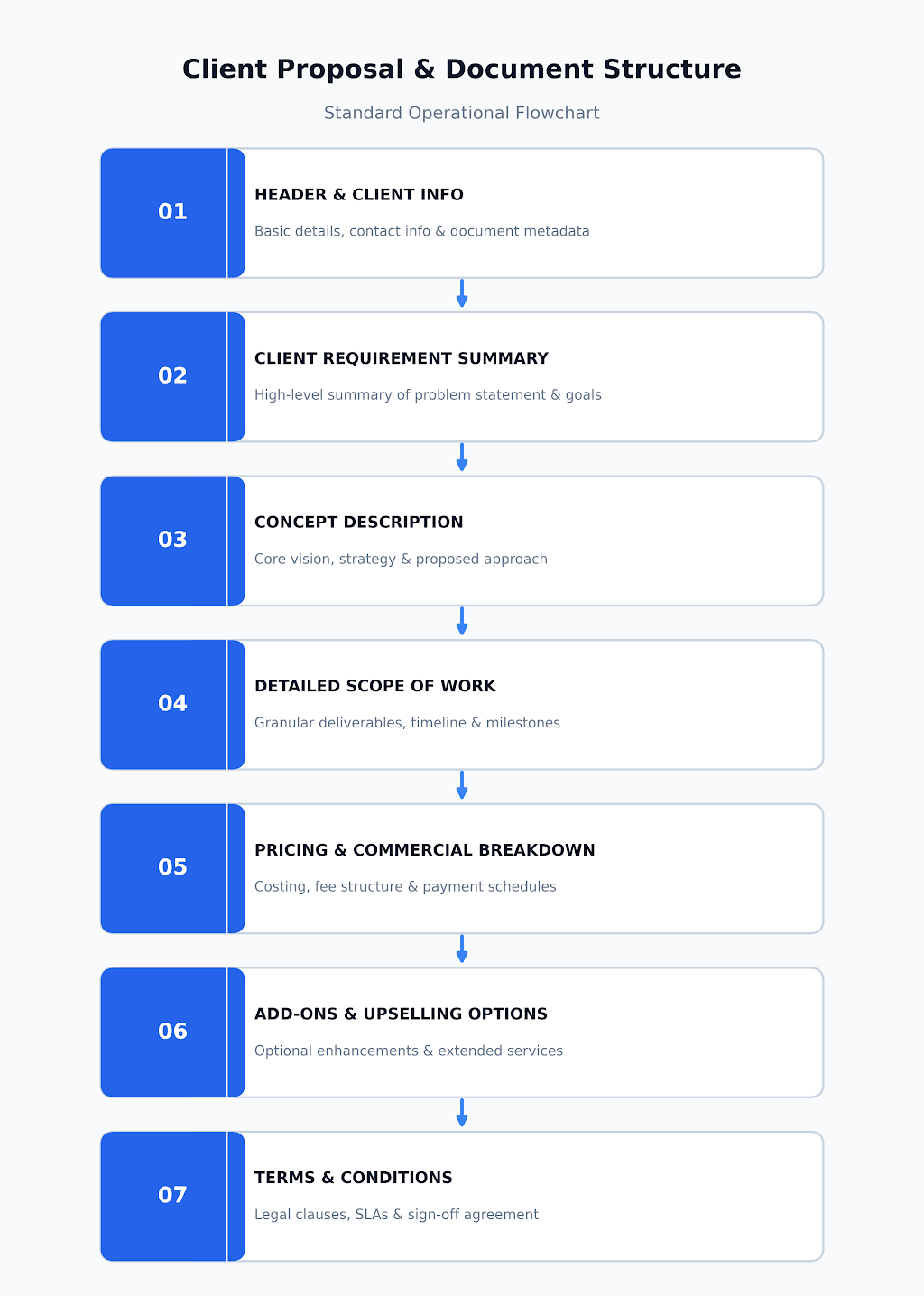
1. Header and Client Information
Include:
- Your company branding and a high-resolution logo
- Your agency address and direct contact details
- A unique quotation number and the date of issue
- The client’s full name and contact details
Why it matters: The header is the first thing people see, so it needs to look polished. A quotation number and date also make it easy to track proposals and avoid mix-ups later.
Tip: Never send a quote as plain text or a casual email. Format it neatly and send it as a PDF, so you come across as an established, trustworthy brand.
2. Client Requirement Summary
Include:
- Type of event (wedding reception, corporate gala, milestone celebration, etc.)
- Theme and colour palette
- Wedding Venue and site details
- Key dates and timelines
Why it matters: This section tells the client, “We listened, and we understand what you want.” It also gets both sides on the same page before any money is discussed.
Tip: Treat it as your own reference too. Note the date, the location and the client’s wishes clearly so you can come back to them whenever you need.
3. Concept Description
Include:
- A clear description of the chosen theme
- Your interpretation of the client’s vision
- The mood, ambiance and overall look and feel in a few lines of story
Why it matters: This is the emotional heart of your proposal. The line items show what you’re providing, while the concept explains why those choices matter and how they’ll turn into an experience guests remember.
Tip: Show that you’ve understood their taste. A good concept note tells the client they’re getting a memorable experience and not just a pile of rented props.
4. Detailed Scope of Work
Include:
- Stage décor breakdown and structural elements
- Itemized props, accessories and equipment
- Entertainment and activity zones, such as gaming areas or interactive booths
- Photography and videography coverage
- Sound and lighting setup
Why it matters: A detailed scope keeps everyone clear on what’s included and stops the “I thought this was part of the package” conversations later.
Tip: Group the items by category so the document is easy to read:
| Work Category | What’s Included |
|---|---|
| Stage & Floral Decor | Backdrops, stage furniture, accent props, floral arrangements |
| Technical & AV Setup | Sound system, intelligent lighting, power distribution |
| Interactive Zones | Gaming zones, guest engagement stalls |
| Media & Coverage | Photo and video crews, drone capture, edited deliverables |
5. Pricing and Commercial Breakdown
Include:
- Unit prices and quantities
- Line items in a clean table
- Tax details such as GST numbers or HSN codes, where required
Why it matters: Itemized pricing removes guesswork. When clients can see the cost line by line, the total feels fair and easy to trust.
Tip: Use separate columns for item description, rate, quantity, tax and grand total, and make sure your tax details follow company policy and government rules. .Our guide on GST e-way bill rules for event managers and decorators explains what paperwork to carry.”
6. Add-Ons and Upgrade Options
Include:
- Upgrades from artificial flowers to fresh floral decor
- Visual upgrades, like swapping a standard projector for an LED video wall
- Extra entertainment, such as an entry dance troupe or special performances
Why it matters: Optional add-ons give you natural chances to upsell without making your base quote look expensive. They also let clients shape the package to fit their budget.
Tip: Present add-ons as helpful options and never as a hard sell.
| Baseline Setup | Optional Add-On | What the Client Gets |
|---|---|---|
| Projector Display | LED Video Wall | A premium visual experience |
| Artificial Flowers | Fresh Floral Decor | A richer, more elegant ambiance |
7. Terms and Conditions
Include:
- Advance payment and instalment schedule
- Final payment due dates
- Delivery timelines for photos, albums and videos
- Policies on changes, delays and scope adjustments
Why it matters: Clear terms of service protect both you and the client. They help prevent most payment disputes and the common complaint about late photo or video delivery.
Tip: Write payment schedules and delivery timelines out in full in every proposal, so nothing is left to assumption.
Common Event Quotation Mistakes to Avoid
- Vague Scope Descriptions:Lumping diverse decor elements under a single generic fee leads to confusion during execution.
- Missing Media Turnaround Dates:Omitting explicit delivery windows for photo and video packages frequently results in client friction.
- Unstructured Pricing Tables:Sending total figures without broken-down quantities or itemized unit costs weakens professional credibility.
- Omitting Optional Upgrades:Skipping add-on options leaves revenue on the table and misses early up selling opportunities.
- Unclear Terms & Payment Terms:Failing to outline deposit requirements and final balance dates causes cash-flow hiccups.
Practical Quotation Preparation Workflow
- Initial Requirement Gathering:Record exact dates, venue specifications, expected guest counts, theme concepts, and target budgets.
- Vendor Costing & Inventory Check:Confirm availability and up-to-date pricing with sub-contractors, AV technicians, decor prop suppliers, and media crews.
- Drafting Scope & Financial Breakdown:Build an itemized scope table detailing quantities, unit costs, and tax entries.
- Integrating Up sell Options:Identify areas where premium options (such as LED displays or live performance entry units) add clear value.
- Reviewing Terms & Schedules:Confirm deposit milestone rules, balance payment timelines, and media turnaround terms.
- Final QA & Delivery:Conduct a document review to verify client details, proofread line items, export to a secured digital PDF, and present the proposal.
Final Quotation Checklist
- Logo, agency address, quote number and date are clearly shown
- Client name, contact details, event date, venue and theme are correct
- The concept description matches the client’s vision
- Décor, AV, props, gaming zones and media are itemized clearly
- Pricing tables show unit rates, quantities and correct totals
- Optional add-ons, such as fresh flowers or LED walls, are easy to spot
- Payment terms, deposit schedule and final balance terms are stated
- Media delivery timelines are written down
An Event Planner’s Perspective
“In my years of managing events, I’ve learned that a quotation is often the first real test of how disciplined your team is. Clients judge how reliable you are by how clearly you explain your scope and terms.When you lay out your scope and terms upfront, you save yourself a lot of trouble after the event. And when you offer options like fresh flowers or an LED wall, clients see that you’re looking for ways to make their event better. Transparency builds long-term trust.”
Learning how to make an event quotation properly turns a routine task into a real advantage. With these seven elements, from the creative concept to clear terms, you build trust, close deals faster and keep your workflow smooth. Try them on your next proposal and see the difference it makes with your clients.