If you want to master event management trends for 2026-27, this step-by-step guide is designed for you. Events in 2026 are about making each guest feel the event was made for them, letting smart tools handle the paperwork, and creating moments people actually take part in. Whether you plan a luxury wedding, a company retreat, or a big trade show, this guide shows you what the top trends are and how to put each one to work, so your guests enjoy the event more, and you can see clear results.
What’s inside
- Wedding Industry Innovations
- Corporate Event Trends
- Exhibition and Trade Show Innovations
- Quick Guide for Event Planners
- Key Takeaways
- Frequently Asked Questions
How to use this guide
Each trend below is explained in the same simple way: what it is, how to do it step by step, and one common mistake to avoid. Pick the trends that fit your event, your budget, and your guests. You don’t need to use all of them.
1. Wedding Industry Innovations
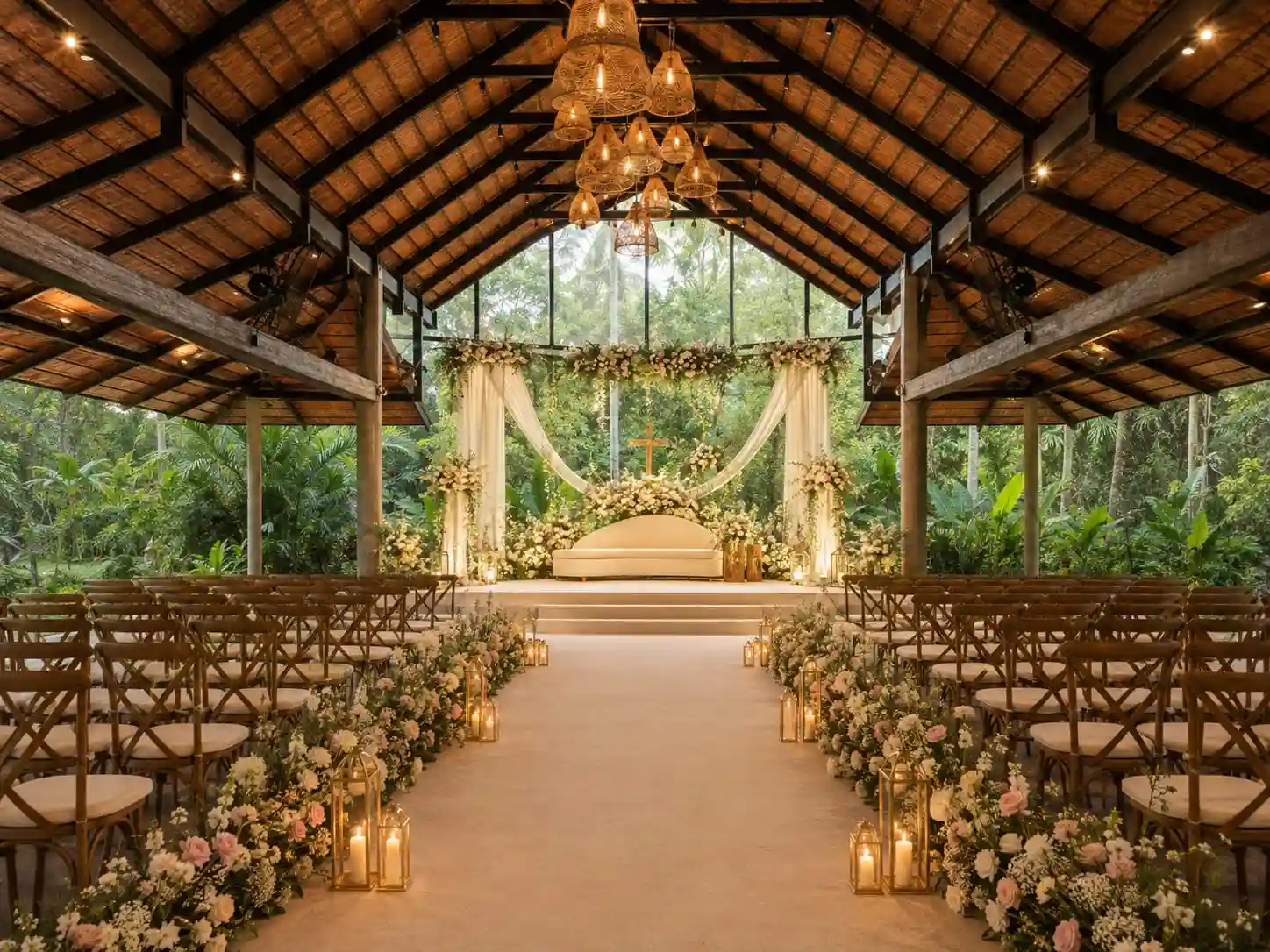
Weddings are moving away from rigid, one-size-fits-all formats. Couples now want something personal and easy on their guests, with sustainable choices and photos and videos they can share the same day.
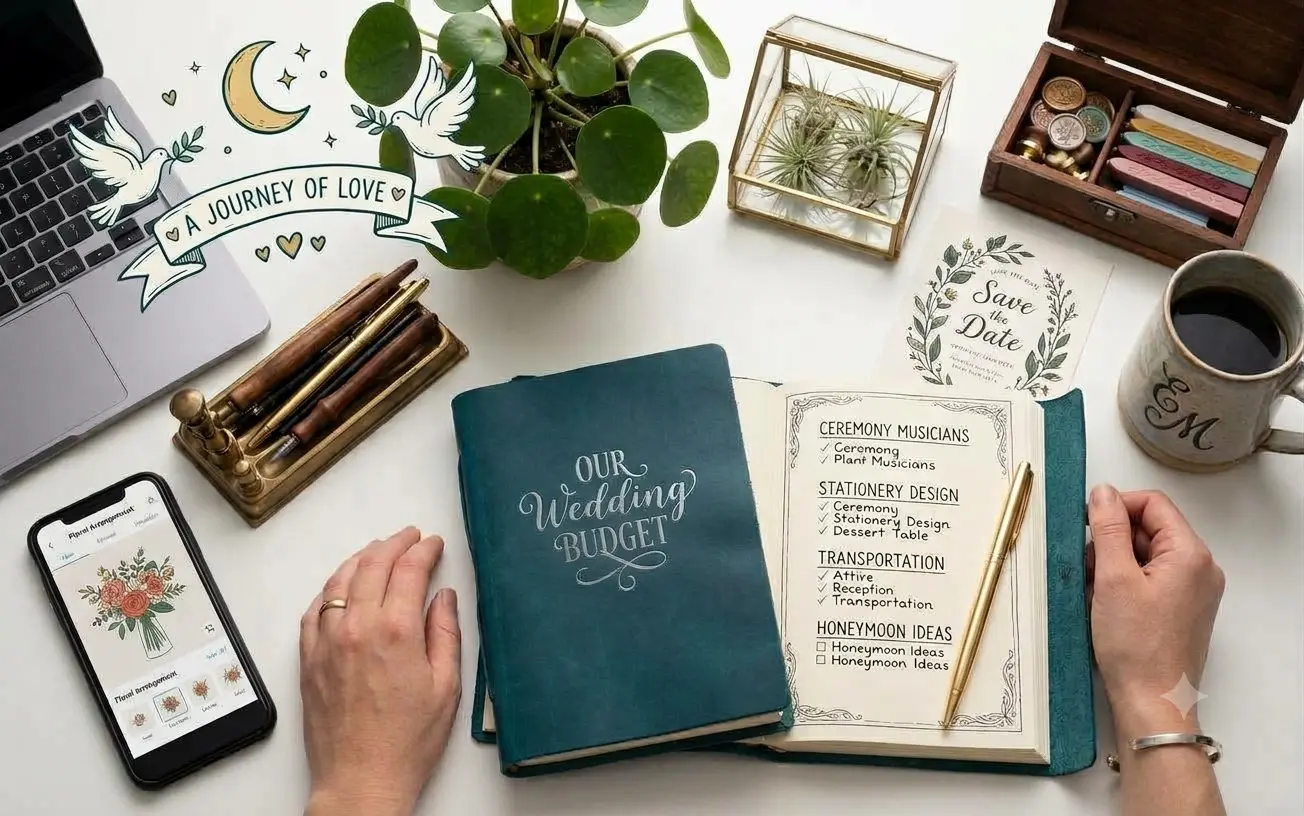
AI wedding planners
What it is: Smart tools that keep track of the budget, shortlist vendors, plan seating and adjust the timeline as the day unfolds.
How to do it:
- Choose one planning tool and enter the guest count, budget and dates.
- Let it track expenses and suggest vendor shortlists, then check each suggestion yourself.
- Use it to draft the seating plan, and review it with the family.
- Keep the timeline live on the day, so changes reach the whole team at once.
Mistake to avoid: Trusting the tool blindly. Always have a person confirm vendors and seating.
Digital invitation journeys
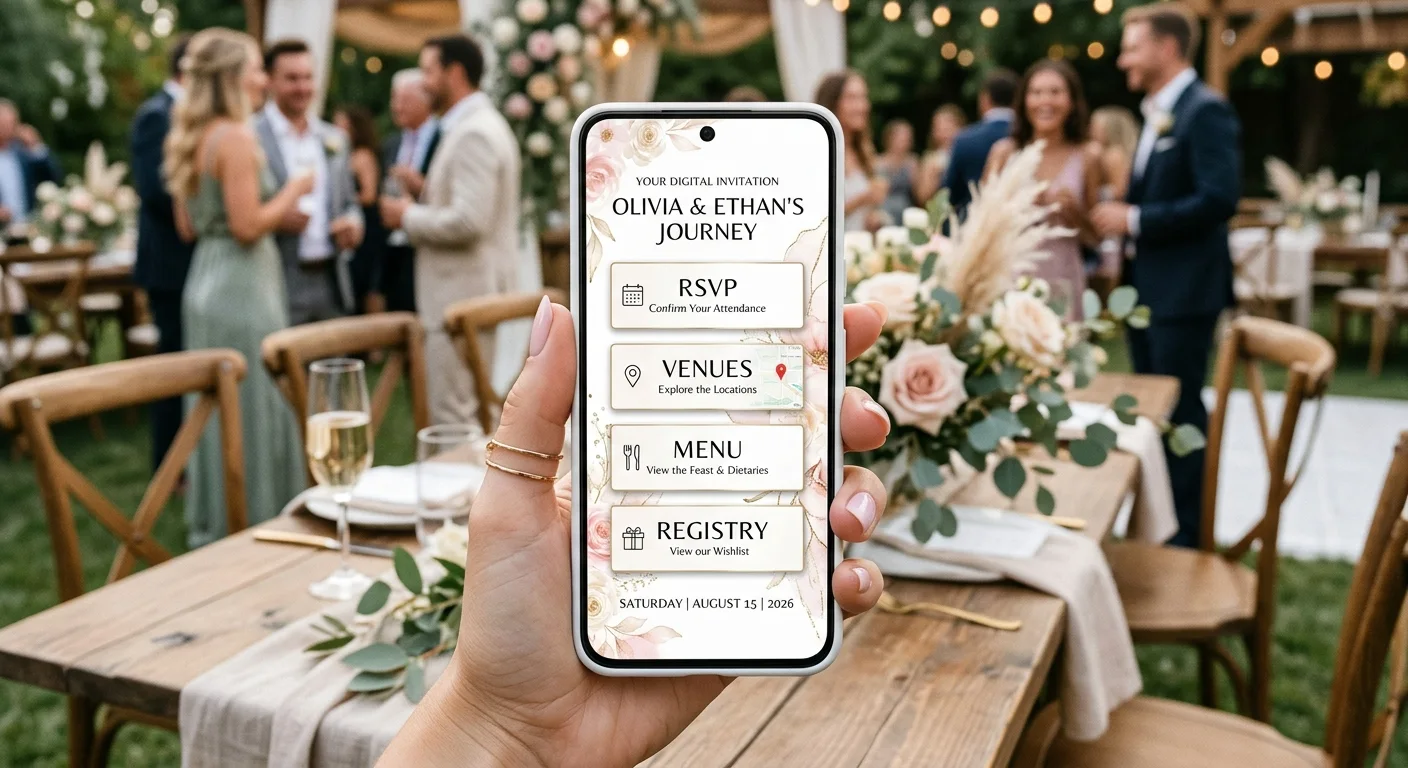
What it is: Interactive invitations where guests can RSVP, see a venue map, share their food preferences and check travel plans, all in one place.
How to do it:
- Pick a platform that supports RSVP tracking and an interactive venue map.
- Add a form for dietary preferences and a page with the travel itinerary.
- Send the invitation, then follow the RSVP count in real time.
- Send gentle reminders before the event.
Mistake to avoid: Sending only a link. Follow up with a personal message for elders and guests who are not used to digital invites.
Interactive guest books
What it is: Touchscreens, video booths and audio guest books where guests leave photos, voice notes and video wishes on the spot.
How to do it:
- Decide the format: touchscreen, video booth or audio guest book.
- Place it near the entrance or reception area where guests naturally pass.
- Put up a short sign explaining how to use it.
- Assign one team member to help guests and keep the setup working.
- Save and share the messages with the couple after the wedding.
Mistake to avoid: Hiding it in a corner. If guests can’t see it, they won’t use it.
Live content studios
What it is: A social media team on site, editing short clips like Reels and Shorts so they can be posted the same day.
How to do it:
- Hire or assign a small content team and share the key moments list beforehand.
- Set up a quick editing corner with a fast internet connection.
- Capture short clips during the ceremony, entry, and reception.
- Edit and post the best clips the same day, with the couple’s approval.
Mistake to avoid: Posting without the couple’s consent. Agree on what can and cannot be shared.
Drone support and FPV coverage
What it is: First-person view (FPV) drones capture cinematic, immersive shots, while other drones can handle flower drops and ring deliveries during the ceremony.
How to do it:
- Check the venue’s rules and get the required permissions first.
- Hire an experienced drone operator and plan the shots in advance.
- Decide which moments need drones: entry, flower drop, ring delivery.
- Do a short rehearsal before the ceremony.
Mistake to avoid: Flying drones without a rehearsal or safety plan around guests.
Sustainable and eco-conscious celebrations
What it is: Zero-waste catering, plastic-free decor and local, seasonal materials that leave a smaller carbon footprint.
How to do it:
- Plan catering quantities carefully and arrange for leftover food to be donated or composted.
- Replace plastic decor with fresh flowers, fabric, wood or reusable pieces.
- Source flowers and materials from local, seasonal vendors.
- Use reusable or biodegradable plates and glasses.
Mistake to avoid: Calling an event “eco-friendly” without a clear plan. Decide your waste goals before the event.
Luxurious after-parties
What it is: A separate late-night space after the reception, with lounge-style setups, top DJs and lighting that responds to the mood.
How to do it:
- Choose a separate space, away from the main reception hall.
- Design a lounge setup with comfortable seating and bar or mocktail counters.
- Book a DJ whose style matches the couple and guests.
- Add interactive ambient lighting that changes with the music.
Mistake to avoid: Forgetting sound limits and timing rules at the venue.
Immersive family storytelling
What it is: 3D projection mapping and interactive LED walls that tell the story of the family and the couple’s journey.
How to do it:
- Collect old photos, videos and short stories from both families.
- Work with a visual team to turn them into a short story sequence.
- Plan where the projection or LED wall will be placed and tested.
- Time the show for a quiet moment, such as before the main ceremony or dinner.
Mistake to avoid: Making the show too long. Keep it short and emotional.
Planner’s tip: Let AI handle the scheduling and logistics early on. Your team then has more time to be present for your clients on the big day.
2. Corporate Event Trends
Corporate events in 2026 are about company culture, real employee engagement and meaningful networking, and much less about sitting through presentations.
Employee experience festivals
What it is: Annual conventions turned into lively, multi-stage festival experiences.
How to do it:
- Set a theme linked to the company’s goals for the year.
- Plan multiple stages or zones, such as talks, games, food and music.
- Create a schedule that lets employees move between zones.
- Collect feedback at the end to improve the next edition.
Mistake to avoid: Filling every hour with sessions. Leave time for fun and informal mixing.
Leadership and wellness retreats
What it is: Executive retreats that combine strategy sessions with mindfulness, mental wellbeing and team bonding.
How to do it:
- Choose a calm venue away from the office.
- Split the day between strategy work and wellness activities.
- Bring in qualified trainers for mindfulness and wellbeing sessions.
- Add team-bonding activities that suit all fitness levels.
Mistake to avoid: Treating wellness as a side activity. Give it real time in the schedule.
Internal innovation expos
What it is: Showcases where teams from different departments present their creative ideas and in-house tech.
How to do it:
- Invite teams to submit ideas or projects early.
- Give each team a booth or demo space.
- Let employees and leaders visit, vote and give feedback.
- Recognise the best ideas and plan how to take them forward.
Mistake to avoid: Holding the expo without any follow-up on the ideas.
Broadcast-quality townhalls
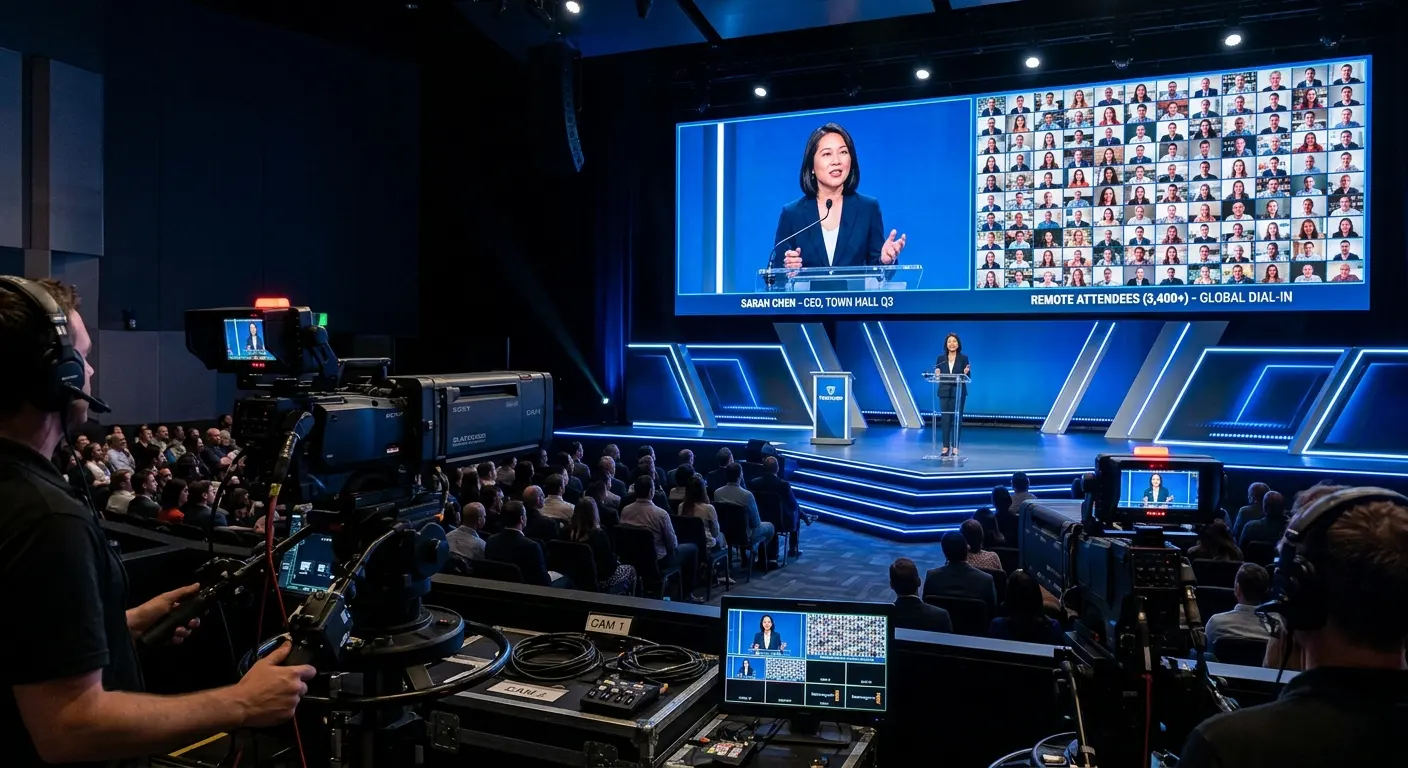
What it is: Professional stage design with hybrid streaming, so everyone stays on the same page, wherever they are.
How to do it:
- Design a clean stage with good lighting and sound.
- Set up cameras and a reliable streaming system for remote staff.
- Add live Q&A for both in-room and online attendees.
- Run a full technical rehearsal before the event.
Mistake to avoid: Focusing only on the room audience and forgetting the online viewers.
Internal branding activations
What it is: Pop-ups and interactive installations that help employees experience the company’s values.
How to do it:
- List the core company values you want to show.
- Turn each value into a simple interactive experience or installation.
- Place them in high-traffic areas of the event or office.
- Ask employees to share photos and stories from the activations.
Mistake to avoid: Using slogans only. Make employees do something, not just read something.
Wellness and learning festivals
What it is: Programmes built around mental health, career growth and hands-on skill workshops.
How to do it:
- Ask employees what they want to learn or improve.
- Plan workshops on mental health, skills and career growth.
- Mix short talks with hands-on sessions.
- Share resources or recordings afterwards.
Mistake to avoid: Choosing topics without asking employees first.
Experiential recognition events
What it is: Rewarding top performers with custom trips, retreats and memorable honours instead of plaques.
How to do it:
- Define clear criteria for who gets recognised.
- Ask winners what kind of reward they would value.
- Plan a personal experience, such as a trip, retreat or special dinner.
- Announce the honours publicly so the team feels inspired.
Mistake to avoid: Giving the same reward to everyone. Personal rewards mean more.
Planner’s tip: Move some budget from generic promotional merchandise to curated experiences. They do more for employee retention and long-term engagement.
3. Exhibition and Trade Show Innovations
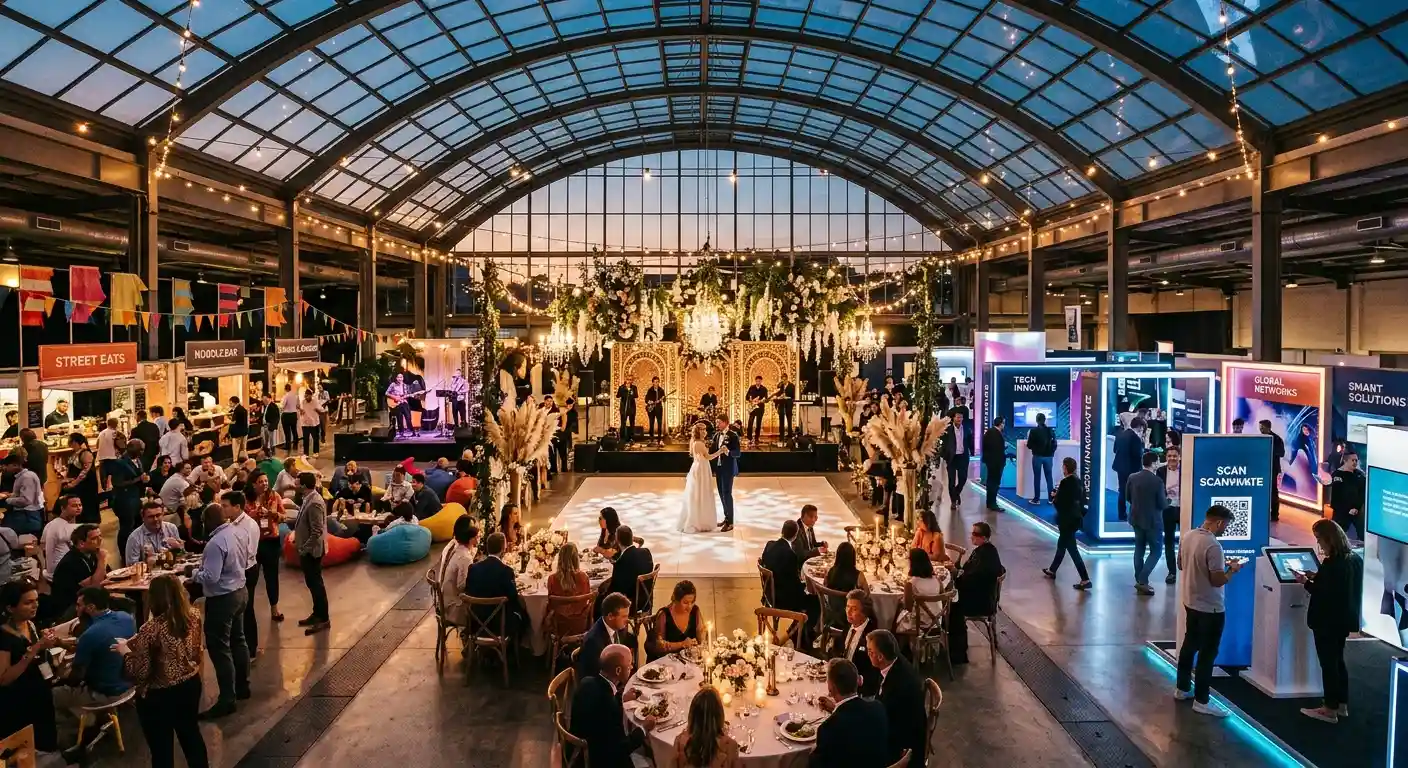
Trade shows are using smart data, AR and contactless tools to keep visitors engaged and to give exhibitors better returns.
AI matchmaking
What it is: Smart tools that connect attendees with the right exhibitors, based on their business profile, interests and past interactions.
How to do it:
- Collect basic business details and interests during registration.
- Use a matchmaking platform to suggest exhibitors to each attendee.
- Send attendees a personalised visit list before the show.
- Review which matches led to real conversations.
Mistake to avoid: Collecting too much personal data. Ask only what you need.
Interactive product demos
What it is: AR and VR displays, touch walls and live demo stations that let buyers try things for themselves.
How to do it:
- Choose the products that benefit most from a hands-on demo.
- Set up AR/VR displays, touch walls or live demo stations.
- Train staff to guide visitors through each demo.
- Keep queues short with timed slots or multiple stations.
Mistake to avoid: Using technology that is hard to operate. Test everything beforehand.
Paperless digital catalogues
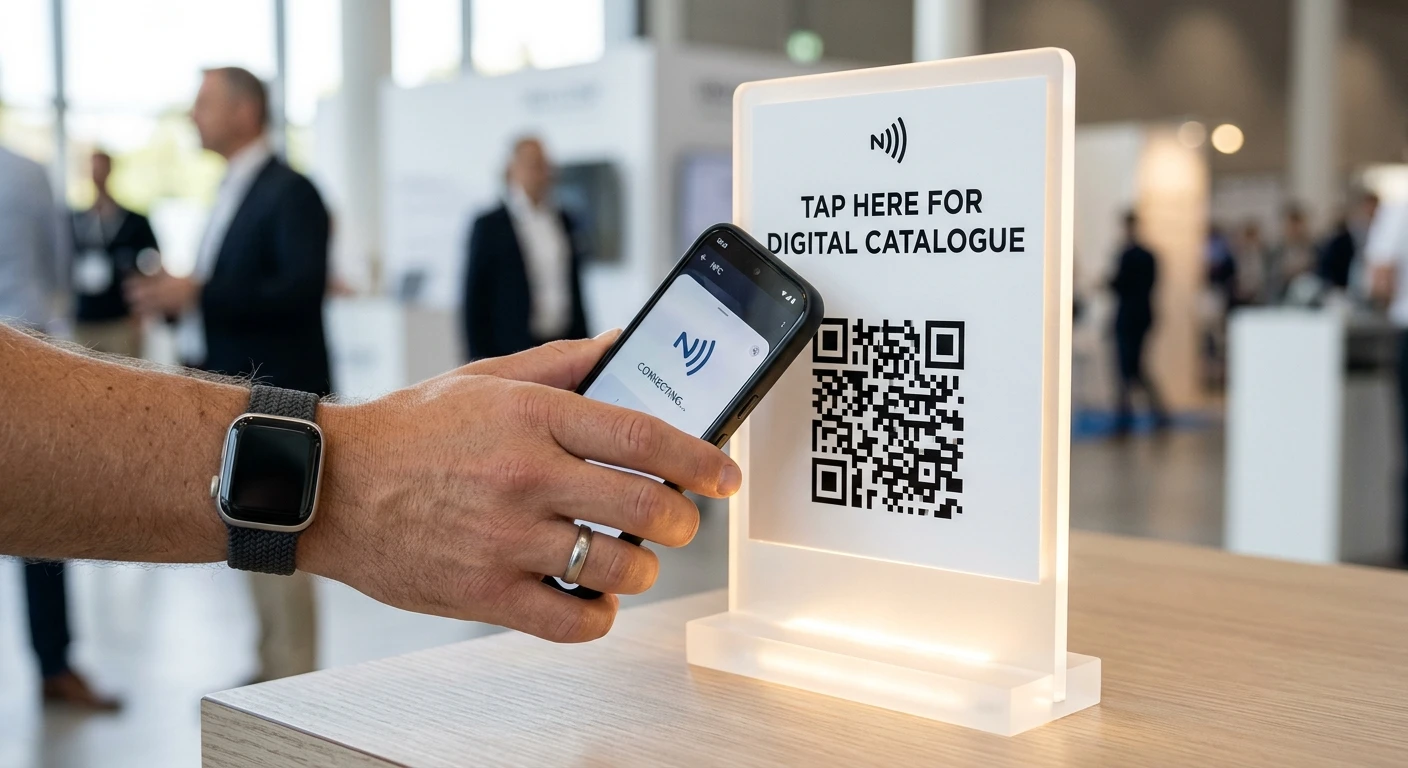
What it is: Brochures shared through QR codes, NFC taps and instant cloud downloads, with no paper waste.
How to do it:
- Upload brochures and product details to a cloud folder or landing page.
- Create QR codes or NFC tags linking to them.
- Display the codes clearly at each booth.
- Track downloads to see which products get the most interest.
Mistake to avoid: Linking to files that are too heavy for slow mobile networks.
NFC contactless lead capture
What it is: Exhibitors scan a visitor’s badge or smart card and exchange contact details in seconds.
How to do it:
- Issue NFC-enabled badges or smart cards at registration.
- Give exhibitors a scanning app or device.
- Let exhibitors add short notes after each scan.
- Export the leads to the exhibitor after the show.
Mistake to avoid: Forgetting to tell visitors how their data will be used.
Live commerce booths
What it is: Livestream shopping setups that sell straight from the exhibition floor to an online audience around the world.
How to do it:
- Set up a booth with good lighting, sound and a stable internet connection.
- Choose a host who can present products clearly and answer questions.
- Promote the livestream schedule before and during the show.
- Add a simple way to buy or enquire during the stream.
Mistake to avoid: Going live without a backup internet connection.
Smart visitor analytics
What it is: Camera analytics and footfall tracking that show how visitors move, how long they stay at each booth and where the crowds gather.
How to do it:
- Decide what you want to measure: footfall, dwell time or heatmaps.
- Install the tracking tools at entrances and key booths.
- Tell visitors that analytics are being used.
- Study the data after the show to improve the next layout.
Mistake to avoid: Collecting data without a clear plan for how to use it.
Planner’s tip: Combine NFC lead capture with live footfall data, and give exhibitors a detailed post-event report that shows both the numbers and how visitors behaved.
4. Quick Guide for Event Planners
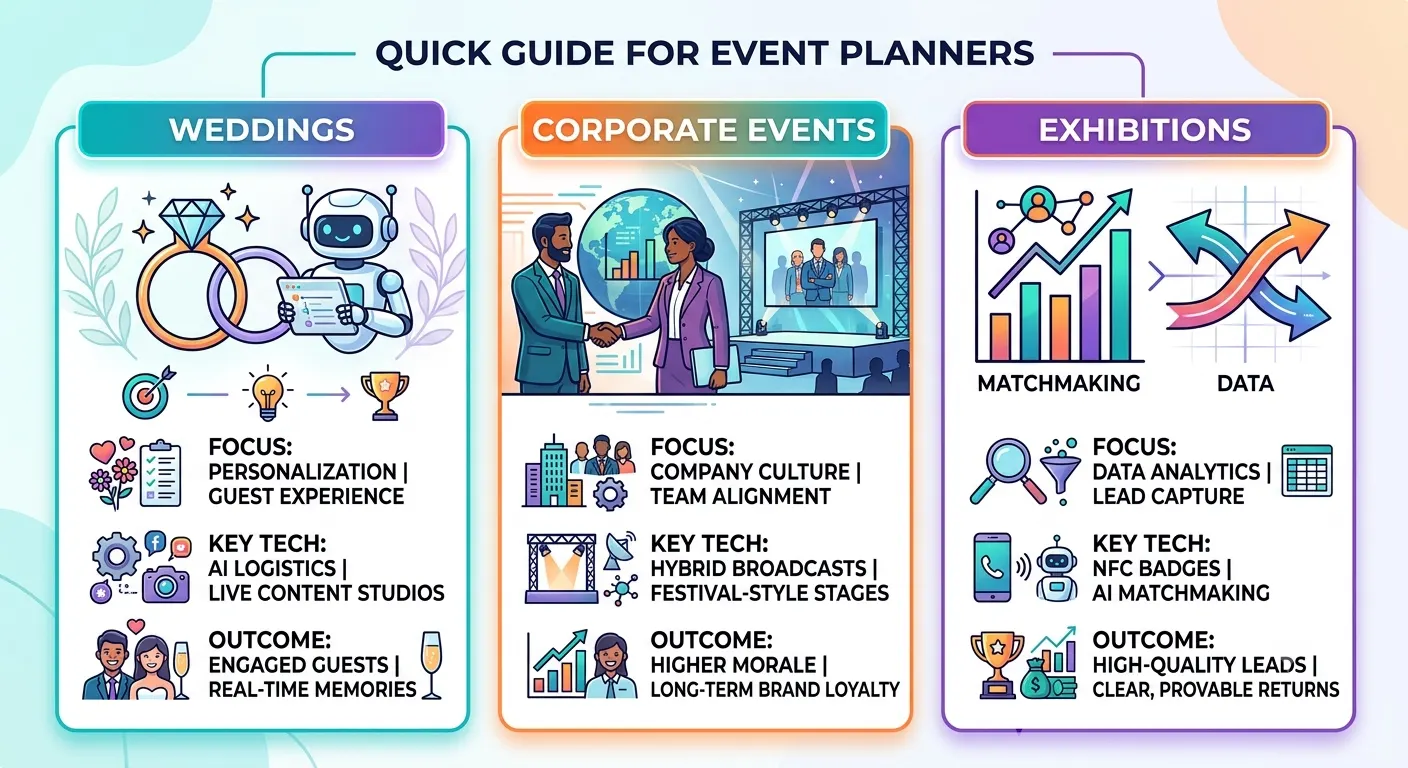
Use this summary to plan projects and decide where to invest in technology.
Weddings
- Main technology: AI wedding logistics and live content studios
- Focus: Personalisation and guest experience
- Expected outcome: More engaged guests and memories delivered in real time
Corporate events
- Main technology: Hybrid broadcasts and festival-style stages
- Focus: Company culture and team alignment
- Expected outcome: Better employee morale and stronger long-term brand loyalty
Exhibitions and trade shows
- Main technology: NFC badges and AI matchmaking
- Focus: Data analytics and lead capture
- Expected outcome: High-quality leads and clear, provable returns for exhibitors
5. Key Takeaways
- Automate the admin: Use AI tools for seating, timelines and communication, so your on-site team can focus on looking after guests.
- Put shared experiences first: People remember interactive moments far more than static displays or giveaways.
- Bring the physical and digital together: Short-form content, live streaming and instant cloud sharing take your event far beyond the venue.
Ready to Make Your Next Event Special?
Keeping up with where the industry is heading is the best way to give clients memorable events and real value for their money.
Looking for event management solutions made for you? Get in touch with our planning team today, and let’s bring your vision to life.
Found this guide useful? Bookmark it or share it with your event planning team.